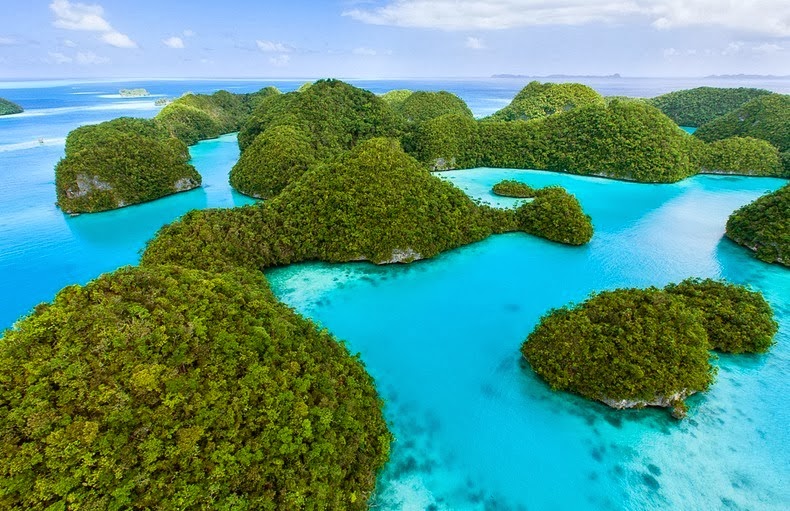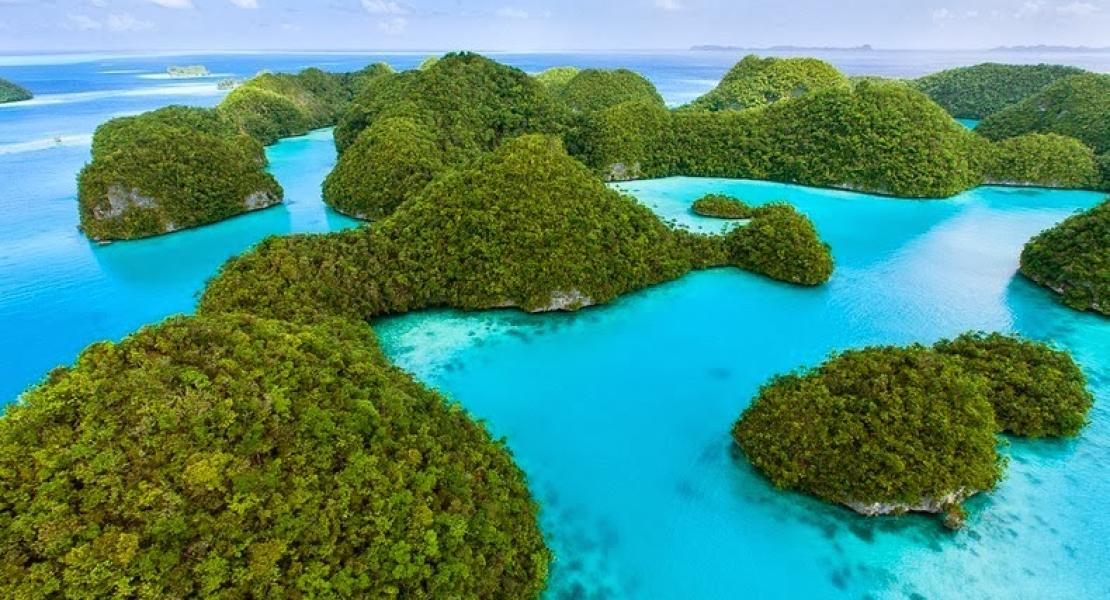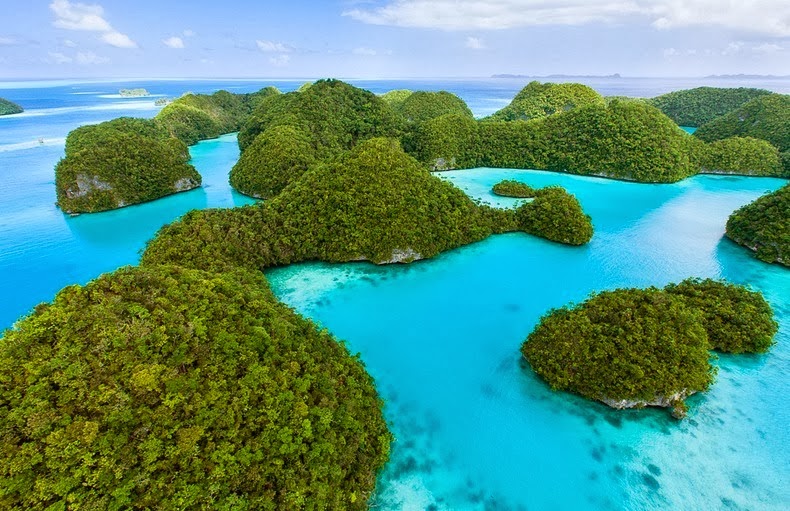
Palau, an enchanting island nation located in the western Pacific Ocean, is not only known for its stunning natural beauty but also its unique and welcoming real estate market. With pristine waters, vibrant coral reefs, and a rich cultural heritage, Palau has become an attractive destination for potential investors looking to explore opportunities in the real estate sector. However, understanding the local laws is crucial before diving into property investments on this idyllic archipelago.
-
Overview of Real Estate Ownership in Palau
The real estate framework in Palau is distinct, largely influenced by its history and cultural practices. In Palau, land ownership is primarily communal, held by traditional clans rather than individuals. This communal ownership means that while a foreigner can lease land, direct ownership is typically reserved for Palauan citizens. This key aspect plays a significant role in any investment strategy and requires thorough understanding and respect for local customs and regulations.
-
Leasing vs. Ownership
For foreign investors, leasing is the most viable option when considering property in Palau. The most common lease term is 50 years, with the possibility of extending it. These lease agreements can be structured to provide security and a platform for investment, allowing investors to build businesses or properties on the leased land. Typically, it's advisable to seek local legal counsel to navigate the process, ensuring that all aspects of the lease agreement align with the expectations of both parties involved.
-
Zoning and Development Regulations
Palau has various zoning laws that govern how land can be used. The Bureau of Lands and Surveys, along with the Office of Planning and Statistics, oversees these regulations to manage sustainable development while protecting the nation’s beautiful landscapes. Before purchasing a lease, it is crucial for investors to understand which zones permit certain types of development, whether residential, commercial, or tourism-related.
For example, areas designated for tourism development might have more lenient regulations than those set aside for cultural or environmental protection. Knowing these details can help avoid potential legal troubles down the line.
-
Environmental Considerations
Given Palau’s commitment to environmental conservation, obtaining the necessary permits for development also involves environmental assessment processes. Any proposed project must comply with local laws designed to protect the ecosystem, making it essential for investors to familiarize themselves with environmental regulations prior to initiating a project.
-
Taxes and Fees
Potential investors should also consider the financial aspects of investing in Palau. There is no property tax in Palau; however, leaseholders may be subjected to certain fees and taxes associated with improvements made on the leased land. Understanding these costs upfront can lead to clearer budgeting and investment planning.
-
Engaging Local Expertise
To navigate the complexities of real estate laws in Palau, engaging with local experts such as real estate agents, lawyers, and fiscal advisors can make the process smoother. These professionals possess the knowledge and experience necessary to guide investors through compliance with local laws, as well as assist in property negotiations.
-
Conclusion
Investing in real estate in Palau presents a unique opportunity, but it comes with its own set of challenges. Understanding land ownership laws, zoning regulations, environmental concerns, and local taxation is vital for a successful venture. With Palau’s breathtaking landscapes and vibrant culture, those who embrace its regulations can find rewarding investments in this tropical paradise. As the demand for real estate continues to grow, informed investors stand to benefit from engaging with this fascinating market.